
The Crucible of Trust: Analyzing the Deconstruction and Evolution of Social Dynamics in Rust

The Crucible of Trust: Analyzing the Deconstruction and Evolution of Social Dynamics in Rust
The survival video game Rust, developed by Facepunch Studios and initially released into Steam Early Access in December 2013, stands as a premier masterclass in emergent multiplayer social engineering. Unlike conventional multiplayer titles that regulate player interaction through pre-defined factions, non-player character questlines, or rigid rules of engagement, Rust drops players naked on a hostile, procedural island with nothing more than a rock, a torch, and an unwritten, ruthlessly open-ended social contract. Over a decade of active development, the primary hazard within Rust has never been its aggressive wildlife, radiation zones, or base decay mechanics; rather, it is the horrifying unpredictability of other human beings. By stripping away artificial moral boundaries and enforcing absolute loss upon death, Rust creates a micro-society where trust is the ultimate, most volatile currency.
Analyzing the social ecosystem of Rust requires examining how game mechanics directly engineer psychological tension, paranoid playstyles, and complex interpersonal structures. As players transition from primitive scavengers to armed warlords commanding fortress-like compounds, the nature of social interactions undergoes a dramatic metamorphosis. The game acts as a grand behavioral simulator, probing the depths of human cooperation, betrayal, tribalism, and diplomacy under conditions of extreme scarcity and persistent threat.
1. The Primordial Phase: Naked Encounters and the Deconstruction of Default Civility
Psychological Triggers of Early-Game Aggression
- Zero-Sum Resource Competition: In the early game, basic node spawns (stone, hemp, wood) are finite within immediate sightlines, making every nearby player an direct competitor for basic survival tools.
- Low Risk, High Reward: A fresh spawn loses virtually nothing by attacking an armed player, while gaining a potentially game-changing inventory if successful.
- The Anonymity of the Beach: Without an established base or reputation on the server, early-game players carry zero accountability for treacherous behavior.
The Deceptive Mechanics of Proximity Voice Chat
While proximity voice chat provides an avenue for negotiation, it simultaneously serves as an instrument of psychological warfare. Players routinely simulate friendly intent, mimic distress, or project artificial panic to lower a neighbor's guard, turning voice communication into a high-stakes guessing game.
2. The Architecture of Paranoia: Building Bases and Spatial Isolationism
Key Architectural Defenses Against Player Intrusion
- Airlock Systems: Interlocking door configurations that prevent invaders from rushing inside when a single door is opened.
- External Tool Cupboard (TC) Stacks: Preventing hostile players from placing ladders or building structures attached to the main compound.
- Compound Walls and Turrets: Creating an automated exclusion zone that replaces human vigilance with mechanical firepower.
The Doorcamper Dynamic
Doorcamping is the ultimate manifestation of asymmetric territorial harassment. By using low-cost weaponry like waterpipe shotguns while hiding in shadows outside an enemy base, doorcampers leverage patience and spatial awareness to strip wealthy players of high-tier gear without engaging in open combat.
3. The Currency of Betrayal: Code Locks and the Internal Vulnerability
Common Forms of Internal Treachery
- Code Wiping: Changing all base codes simultaneously, locking original owners out of their own compound.
- Resource Siphoning: Discretely transferring high-value items (sulfur, guns, explosive materials) to hidden external stashes or rival bases.
- Intel Leaking: Conveying base vulnerabilities, online schedules, and storage locations to rival raiding teams.
Stages of Clan Vetting
To mitigate inside risks, established groups subject prospective members to a multi-stage probationary hierarchy:
- Stage 1: Guest Codes Only. New recruits are confined to external guest houses with restricted access to main loot vaults.
- Stage 2: Resource Quotas. Recruits must farm specified quantities of sulfur or metal fragments to demonstrate commitment.
- Stage 3: Full Access Integration. Full code access is granted only after weeks of shared combat and verified external identity confirmation.
4. The Rise of Local Hegemony: Controlling Monuments and Map Geography
Territorial Control Strategies
- Monument Lockout: Continuously patrolling monuments to kill any unauthorized players attempting to run green, blue, or red keycard puzzles.
- Roofcamping: Utilizing long-range rifles from high towers to kill passing players and suppress local activity within a multi-grid radius.
- Chokepoint Interdiction: Wallingly off narrow land passes or waterways to collect tolls or eliminate rival trade lines.
The Map Grid Power Hierarchy
5. Industrialization and Escalation: The Arms Race of Offline Raiding
Economic Balance of Siege Warfare
- Defense Investment: Metal fragments, high-grade tech trash, and stone used to maximize explosive costs required to reach core loot.
- Offense Investment: Massive amounts of charcoal and sulfur farmed exclusively to craft rockets and C4.
- The Asymmetric Advantage: Attackers choose the precise timing of the siege, overwhelmingly favoring hours when target players are offline.
Anatomy of an Offline Siege Operation
- Reconnaissance: Monitoring target base activity, active players, and peak offline hours via third-party server tracking tools.
- Forward Operating Base (FOB) Deployment: Erecting a temporary raid base equipped with respawn beds, turrets, and extra raid supplies directly opposite the target.
- Breaching Phase: Launching synchronized rocket salvos at structural weak points (e.g., roof seams, door paths) to breach the core tool cupboard.
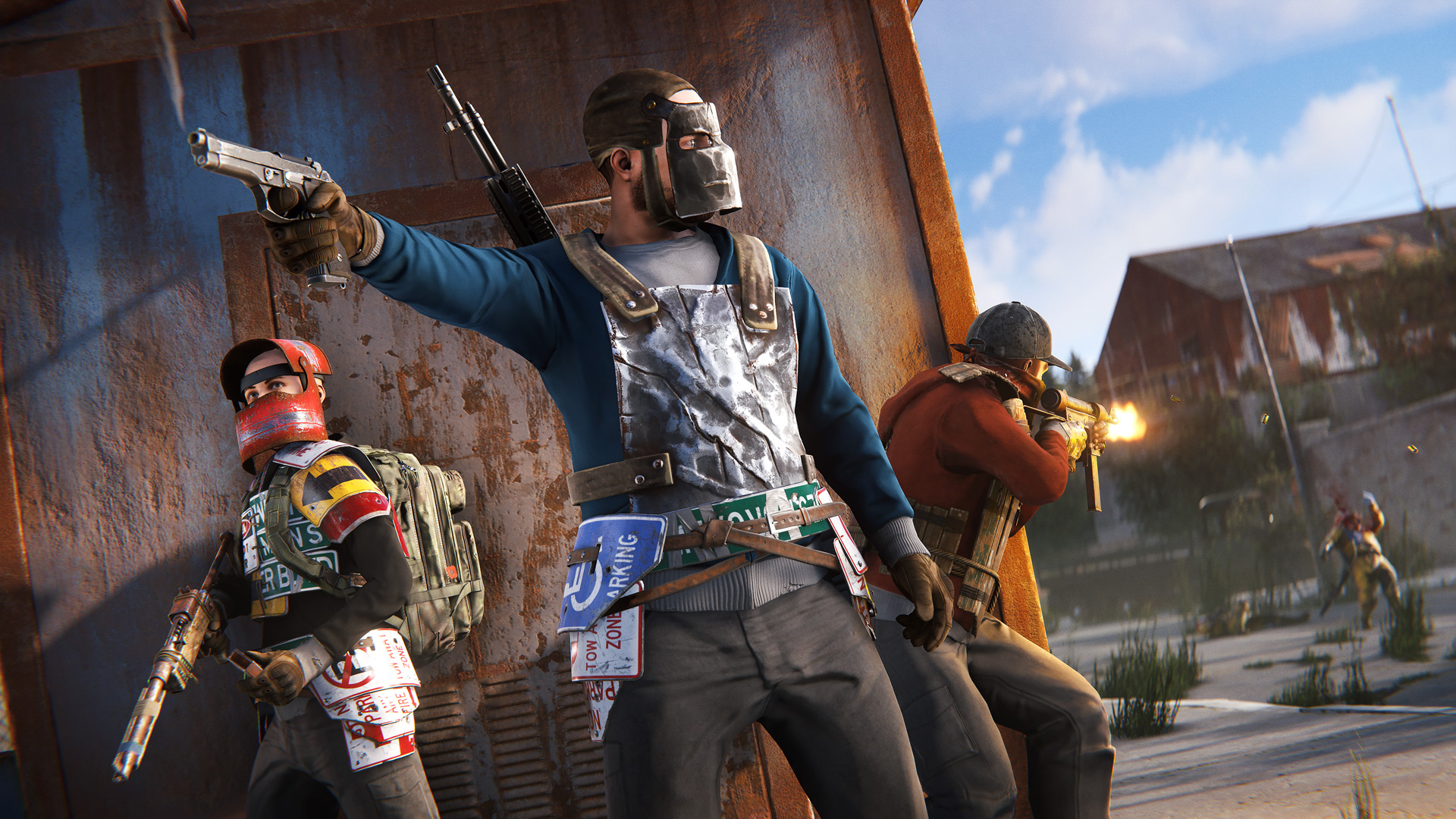
6. The Emergence of Informal Diplomacy: Alliances, Non-Aggression Pacts, and Vassalage
Standard Informal Diplomatic Agreements
- Non-Aggression Pact (NAP): An agreement between neighboring bases to refrain from killing each other within a designated visual boundary.
- Vassalage / Resource Protection: Smaller teams deliver regular installments of raw materials (wood, stone, metal) to an Alpha Clan in exchange for raiding immunity and protection against third parties.
- Mercenary Contracts: Hiring skilled PVP players or small roaming groups using high-tier weapons, armor, or sulfur as payment to conduct targeted raids on rivals.
Diplomatic Failure Modes
Diplomatic efforts in Rust collapse easily due to structural vulnerabilities inherent in unmonitored play:
- The Rogue Solo Incident: A single member of a allied group kills a neighbor, triggering an escalating retaliatory chain reaction before communication can occur.
- False Flag Operations: A third-party group disguises themselves using identical gear skins or player names to frame a neutral neighbor and spark a proxy war.
7. The Clan Meta and Zerg Hegemony: The Breakdown of Individual Agency
Structural Organization of a Mega-Clan (Zerg)
- Clan Leaders / Shotcallers: Direct strategic expansion, manage raid operations, and control core base codes.
- PVP Roster: Dedicated combat specialists responsible for monument control, roams, and raid defense.
- Dedicated Farmers / Builders: Members tasked strictly with resource extraction, base maintenance, and upkeep management.
Impact of Numbers vs. Skill
8. Digital Feudalism and Market Economies: The Impact of Vending Machines and Outpost
Economic Functions of Automated Commerce
- Anonymous Resource Conversion: Safely converting surplus high-tier components into raw building supplies without revealing base interiors.
- Grid-Wide Logistics: Utilizing drone delivery networks connected to Outpost to trade securely across vast distances.
- Monopolistic Pricing: Alpha clans buying out regional supplies of key crafting items to maintain technological dominance over smaller groups.
Evolution of Server Economics
- Primitive Era: Direct barter trade; extremely high risk of robbery during exchange.
- Early Industrial Era: Manual trading windows; reduced risk but constrained by physical proximity.
- Modern Capitalist Era: Drone networks, automated vending machines, and NPC safezone markets; zero-risk global commerce.
9. The Weaponization of Toxicity: Psychological Warfare and Server Culture
Common Psychological Tactics
- Desyncing and Noise Pollution: Blaring loud music or sirens through megaphones outside enemy bases to disrupt voice communications during raids.
- Griefing: Placing stone walls or tool cupboards around a partially raided base to render it completely uninhabitable, inflicting maximum emotional distress.
- Identity Spoofing: Changing Steam names and avatars to mimic rival clan members, sowing internal confusion and false accusations across the server.
The Cycle of Server Demoralization

10. The Iterative Social Contract: Server Wipes and the Endless Dynamic of Rebirth
Phases of the Server Wipe Cycle
- The Fresh Wipe Rush (Hours 0–12): Extreme territorial chaos, primitive combat, high violence, and rapid base site acquisition.
- Consolidation and Escalation (Days 2–5): Compound expansion, monument lockouts, diplomatic pacts, and targeted offline/online raiding.
- The End-of-Wipe Anarchy (Final 24 Hours): Mass expenditure of hoarded weapons and sulfur, collapse of diplomatic pacts, and server-wide structural devastation.
The Sociological Legacy of Rust
Ultimately, Rust proves that when human beings are freed from external laws and structural accountability, they do not default to purely mindless chaotic violence, nor do they build peaceful utopias. Instead, they organically recreate every phase of human societal evolution: from primordial hostility and defensive isolationism to feudalism, industrial warfare, capitalism, and fragile diplomacy. Rust remains a compelling, terrifying mirror held up to human social organization—a virtual laboratory where trust is the most dangerous gamble of all.
In Rust, total anarchy forces players to organically reconstruct human history, proving trust is both fragile and fatal.