


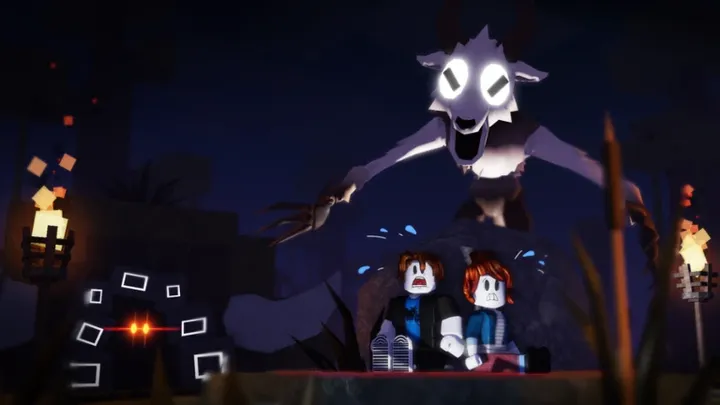


Don’t Scream Together transforms the classic solo scream-challenge formula into a chaotic, high-tension cooperative horror experience. You and your teammates must explore terrifying locations, solve puzzles, survive sudden jumpscares, and—most importantly—avoid screaming. The game listens to your microphone constantly, and even a tiny outburst can sabotage your progress.
Mastering this game requires more than just courage—it demands teamwork, communication discipline, strategic movement, and mental control. In this complete 2000+ word guide, you’ll learn everything needed to excel with your squad. With 10 structured sections, additional h3 and h4 guidance, and game-specific strategies, this is the ultimate manual for surviving Don’t Scream Together.
1. Understanding the Core Concept of “Don’t Scream”
At the heart of Don’t Scream Together is the noise-detection mechanic. The game continuously listens through your microphone, and any spike—laughter, gasps, yelling, even accidental noises—can register as failure. For groups, this becomes more unpredictable, because multiple microphones introduce multiple points of failure.
You aren’t just avoiding monsters—you’re avoiding your own reactions. That psychological pressure is part of the challenge. To succeed, you must train your body to stay still, control breathing, and anticipate scares rather than reacting impulsively. Once your team understands the noise rules clearly, you’ll approach the game more calmly and survive much longer.
h3: Adjust Microphone Sensitivity Before Playing
An overly sensitive mic punishes you unfairly—configure it carefully.
h4: Communicate Volume Rules with Teammates
Set a mutual understanding: soft voices only, no yelling during emergencies.
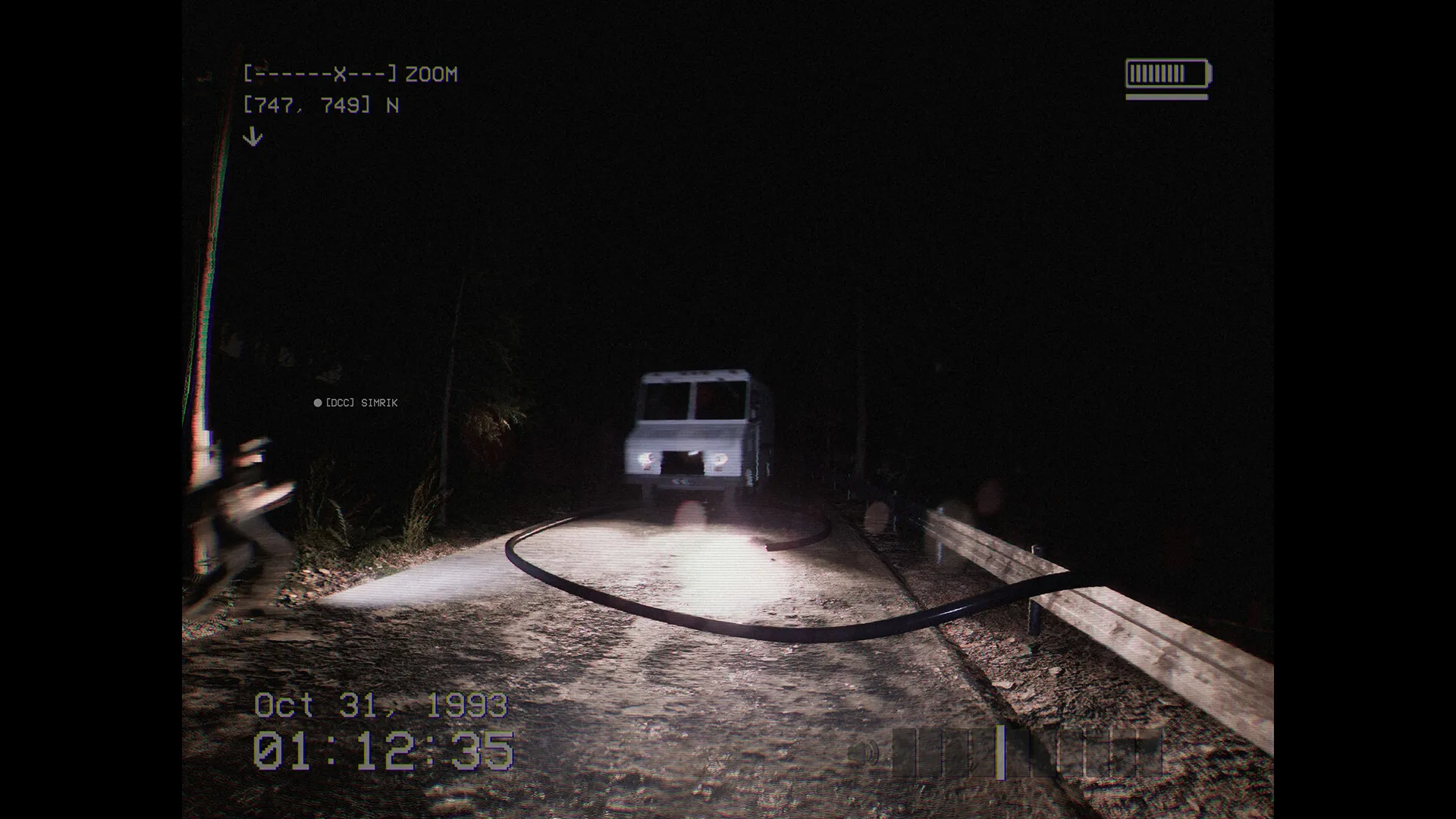
2. Preparing for Cooperative Play
Before entering the map, your group needs to establish basic rules. Team dynamics matter: someone should act as a navigator, one as a puzzle solver, one as a lookout, and others as flexible support. These roles reduce chaos and prevent overlapping tasks that cause panic.
Mental preparation is crucial. If someone in your group startles easily, place them in rear positions. Players who naturally react loudly should practice deep breathing. Establish hand signs, whispering rules, or short verbal codes to minimize unnecessary chatter.
h3: Define Player Roles Early
- Leader/Navigator
- Puzzle Solver
- Scout/Lookout
- Support/Runner
h4: Perform a Team Calmness Check
If someone is stressed or hyper, have them take a minute to decompress.
3. Movement, Navigation, and Staying Together
In Don’t Scream Together, splitting up is dangerous unless the team is disciplined and skilled. Staying close allows players to support each other, share information, and avoid panic caused by isolation. But staying too close can cause chain reactions to jumpscares.
Movement should be slow and steady. Rushing increases mistakes and puts the group into sudden danger. Learn the environment: corners hide enemies, sudden darkness signals a scare, and tight corridors require formation control.
h3: Move in Controlled Formation
Front: calm players
Middle: puzzle solver
Rear: easily scared players
h4: Announce Intentions
Even simple actions like “turning left” or “opening door” prevent panic.
4. Sound Management & Mic Discipline
Your microphone is both your greatest weakness and your greatest enemy. The game uses real-time audio spikes to detect failure. Sound management becomes a full strategy layer, especially in cooperative mode where multiple players must stay quiet simultaneously.
Practice speaking softly, breathing slowly, and reacting with physical stillness instead of vocal outbursts. Even blowing into the mic, tapping your desk, or laughing can ruin a run for everyone. Sound discipline separates winning teams from chaotic ones.
h3: Replace Screams with Silent Reactions
Train yourself to clench fists or hold breath instead of yelling.
h4: Reduce Environmental Noise
Close windows, silence phones, and remove pets from the room.
5. Understanding Enemy Types & Jumpscare Patterns
Different scares trigger different reactions. Some are visual illusions designed to startle, while others involve heavy audio to tempt you into screaming. Learning patterns removes their power. The more familiar you become with how enemies appear, the less likely you are to react loudly.
Some scares trigger randomly, while others activate when solving puzzles or entering specific locations. Avoid rushing into new rooms. Listen for audio hints—breathing, footsteps, humming machinery—because they often precede big scares.
h3: Common Jumpscare Categories
- Sudden Appearance (Visual)
- Whisper Scares (Audio)
- Chase Triggers
- Environmental Distortions
h4: Repeated Exposure Increases Resilience
The same scare becomes less shocking after seeing it multiple times.
6. Puzzle Solving Under Pressure
Puzzles in Don’t Scream Together require calm thinking, clear communication, and steady hands. Many puzzles involve symbols, numbers, patterns, or locating hidden objects while under threat. The challenge is solving them without letting fear interfere.
When solving puzzles, one player should read information while others keep watch. Divide tasks to reduce confusion. If a puzzle triggers a scare upon completion, warn the team so no one reacts loudly.
h3: Use Whisper-Mode Communication
Slow, clear, low-volume speech reduces panic and errors.
h4: Assign a Dedicated Puzzle Reader
Too many voices create confusion and increase mic risk.
7. Managing Panic, Fear, and Mental Stamina
Fear management is one of the most important skills in the game. The longer your session lasts, the more drained your group becomes. High tension leads to louder reactions and poor decisions. Learn to mentally reset during calm zones.
Physical techniques—deep breathing, muscle relaxation, fixed eye focus—help reduce the urge to scream. Encourage teammates to adopt emotional stability techniques. Confidence, not courage, determines survival.
h3: Breathing Techniques
Inhale for 4 seconds → hold 2 → exhale for 6. Repeat.
h4: Use Calm Zones to Reset
Whenever you enter a safe room, have the entire team relax briefly.
8. Advanced Cooperative Strategies
Once your group masters basics, advanced strategies help optimize runs. These include silent route planning, enemy bait maneuvers, formation swaps, and multi-angle scanning.
You can create code systems to communicate without speaking—taps, crouches, flashlight flicks. High-level teams rarely speak at all, reducing mic risk significantly and improving coordination through nonverbal cues.
h3: Use Codes to Communicate Quietly
Examples:
- 1 flash = stop
- 2 flashes = danger
- 3 flashes = regroup
h4: Rotate Roles to Avoid Player Stress
Give high-pressure positions breaks to maintain mental stamina.
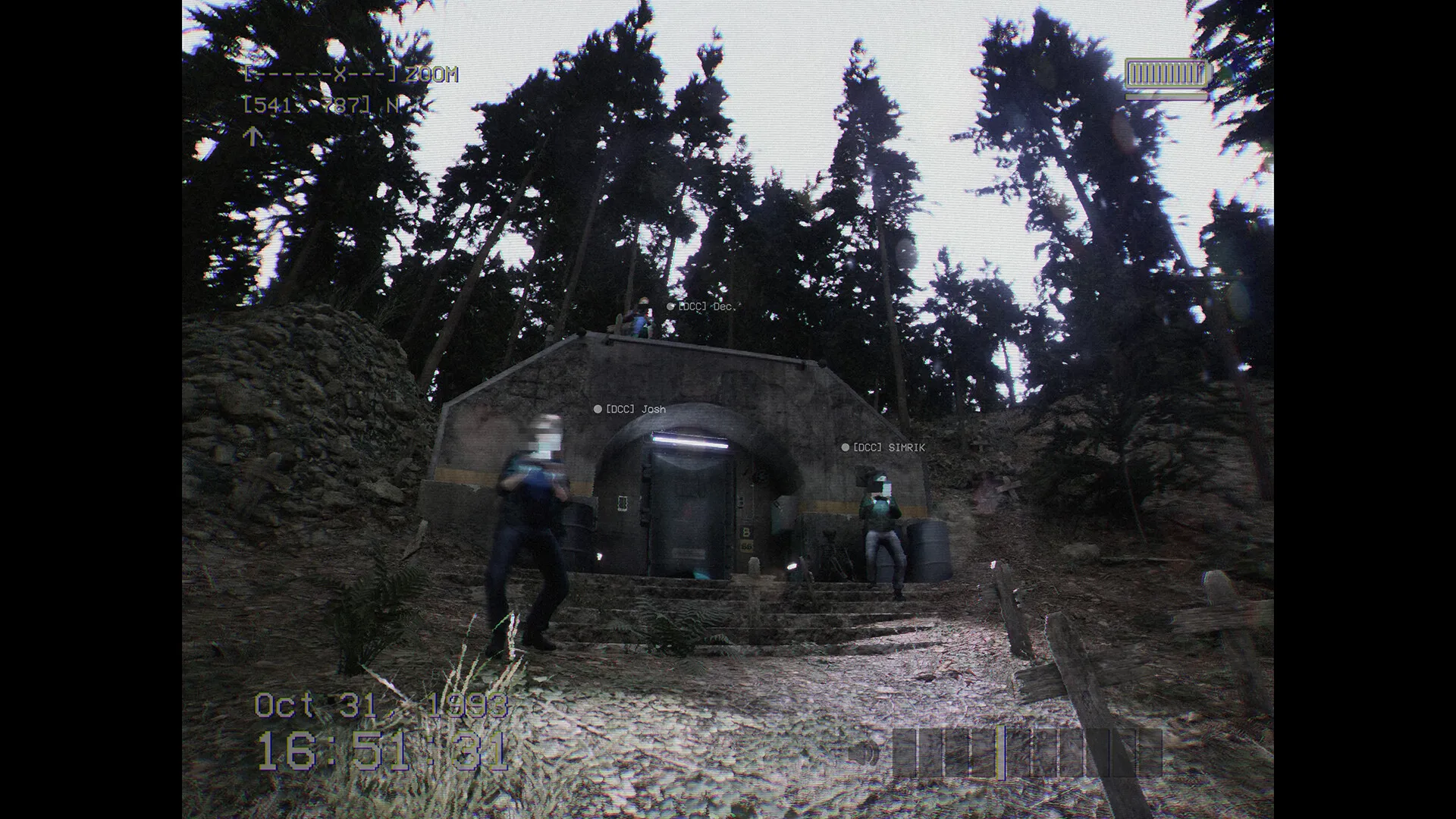
9. Surviving High-Intensity Encounters
Some events in Don’t Scream Together are designed to overwhelm. Lights flicker, loud audio pulses, and sudden apparitions appear. The key is to remain physically still and let the scare finish without reacting vocally. Your body will want to flinch—train yourself to remain grounded.
During chase sequences, panic is expected, but do not scream. Move quickly but breathe slowly. Follow your navigator’s instructions. If you get separated, don’t yell; regroup quietly.
h3: Focus Eyes on One Point
A fixed gaze reduces reflexive flinching.
h4: Don’t Comment During Scares
Silence increases success rate dramatically.
10. Endgame Mastery, Replay Strategies & Group Improvement
As your team becomes experienced, you’ll recognize patterns, reduce panic responses, and handle scares almost professionally. At this stage, focus on optimization—route efficiency, noise reduction, and improved puzzle speed.
Review your failures together. Analyze which moments triggered screams, who reacted, and why. Improving as a group strengthens cooperation and builds a calmer team mentality. The endgame of Don’t Scream Together becomes less about terror and more about discipline and mastery.
h3: Record Runs for Group Review
Watching reactions helps players adjust habits and control impulses.
h4: Push Difficulty Gradually
Transition from casual runs → full quiet runs → challenge runs.
Don’t Scream Together is more than a horror game—it’s a team-based emotional endurance test, where communication, discipline, and mental control determine success. By understanding mic rules, practicing calm movement, learning scare patterns, solving puzzles efficiently, and supporting each other through fear, your group can transform chaos into coordinated mastery. Stick together, speak softly, breathe slowly, and face the nightmare as one. With the strategies in this guide, every player becomes stronger, braver, and more controlled—ensuring that even the loudest scares fail to break your silence.