.webp)




ARC Raiders, developed by Embark Studios, is a cooperative third-person shooter set in a retro-futuristic universe where players band together to fight mechanized alien invaders. While the game’s aesthetic and combat mechanics have drawn attention, one of the most debated aspects is its progression system—how players advance, unlock gear, and sustain long-term engagement. This article dives deeply into the specific issue of progression in ARC Raiders, analyzing its design flaws, player reception, and potential solutions.
The Early Promise of ARC Raiders’ Progression
When ARC Raiders was first revealed, its progression system was marketed as a balance between accessibility and depth. Players expected a structure that rewarded teamwork, exploration, and skill mastery.
However, the reality was more complicated. The initial progression loop relied heavily on repetitive missions and resource collection, which quickly became monotonous. The promise of meaningful advancement was overshadowed by grind-heavy mechanics.
The Grind: Resource Collection and Its Pitfalls
At the heart of ARC Raiders’ progression lies resource collection. Players must scavenge materials from fallen enemies and environments to craft weapons and upgrades.
While scavenging fits the game’s survivalist theme, the sheer volume of resources required for even modest upgrades created frustration. Instead of feeling rewarding, progression became a chore, with players repeating missions not for enjoyment but necessity.
Key Issues
- Excessive material requirements for upgrades
- Lack of variety in resource types
- Minimal narrative justification for grinding
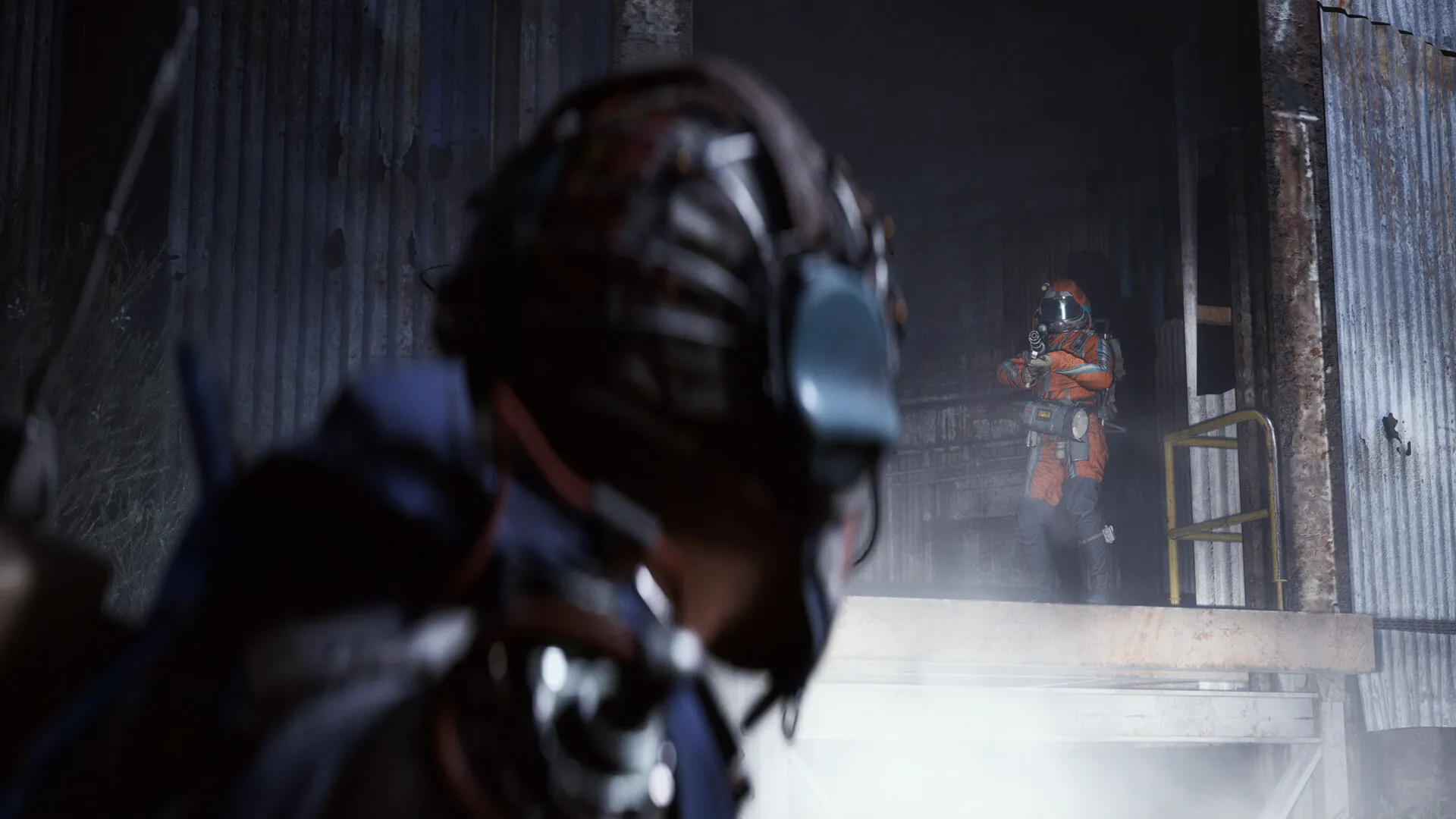
Weapon Unlocks and Player Disillusionment
Weapons are central to ARC Raiders’ combat identity. Unlocking new weapons should feel like a milestone, but the progression system undermines this excitement.
Many weapons require extensive grinding, and once unlocked, they often feel underwhelming compared to the effort invested. This imbalance between effort and reward has been a recurring complaint among players.
Example
A player might spend hours farming resources to unlock a new rifle, only to discover its damage output is barely superior to the starter weapon. This creates a sense of wasted time rather than achievement.
Cosmetic Progression: A Hollow Incentive
Cosmetics are often used in modern games to supplement progression, offering personalization and prestige. ARC Raiders attempted to integrate cosmetic rewards, but the execution fell flat.
Most cosmetic items were locked behind repetitive challenges or microtransactions, which alienated players who wanted organic rewards through gameplay. Instead of motivating engagement, cosmetics became another grind-heavy system.
Team-Based Progression and Its Limitations
ARC Raiders emphasizes cooperative play, but its progression system often clashes with this design philosophy. Team members may progress unevenly, leading to imbalances in gear and abilities.
This creates tension in squads, where one player may feel underpowered compared to others. Instead of fostering unity, progression disparities can fracture team dynamics.
Consequences
- Unequal player power levels
- Frustration in matchmaking
- Reduced incentive for long-term squad play
Narrative Integration: The Missing Link
Progression systems thrive when tied to narrative. In ARC Raiders, however, progression feels disconnected from the story. Players fight against alien machines, but upgrades and unlocks rarely reflect narrative milestones.
This disconnect weakens immersion. Instead of feeling like survivors evolving in a hostile world, players feel like they’re grinding numbers in a spreadsheet.
Player Feedback and Community Backlash
The ARC Raiders community has been vocal about progression issues. Forums and social media highlight recurring complaints about grind, imbalance, and lack of meaningful rewards.
Embark Studios has acknowledged some of these concerns, but patches and updates have yet to fully resolve the systemic flaws. The persistence of these issues has led to declining player retention.
Community Sentiment
- “Progression feels like a second job.”
- “Unlocking weapons isn’t worth the grind.”
- “Cosmetics should be fun, not exhausting.”
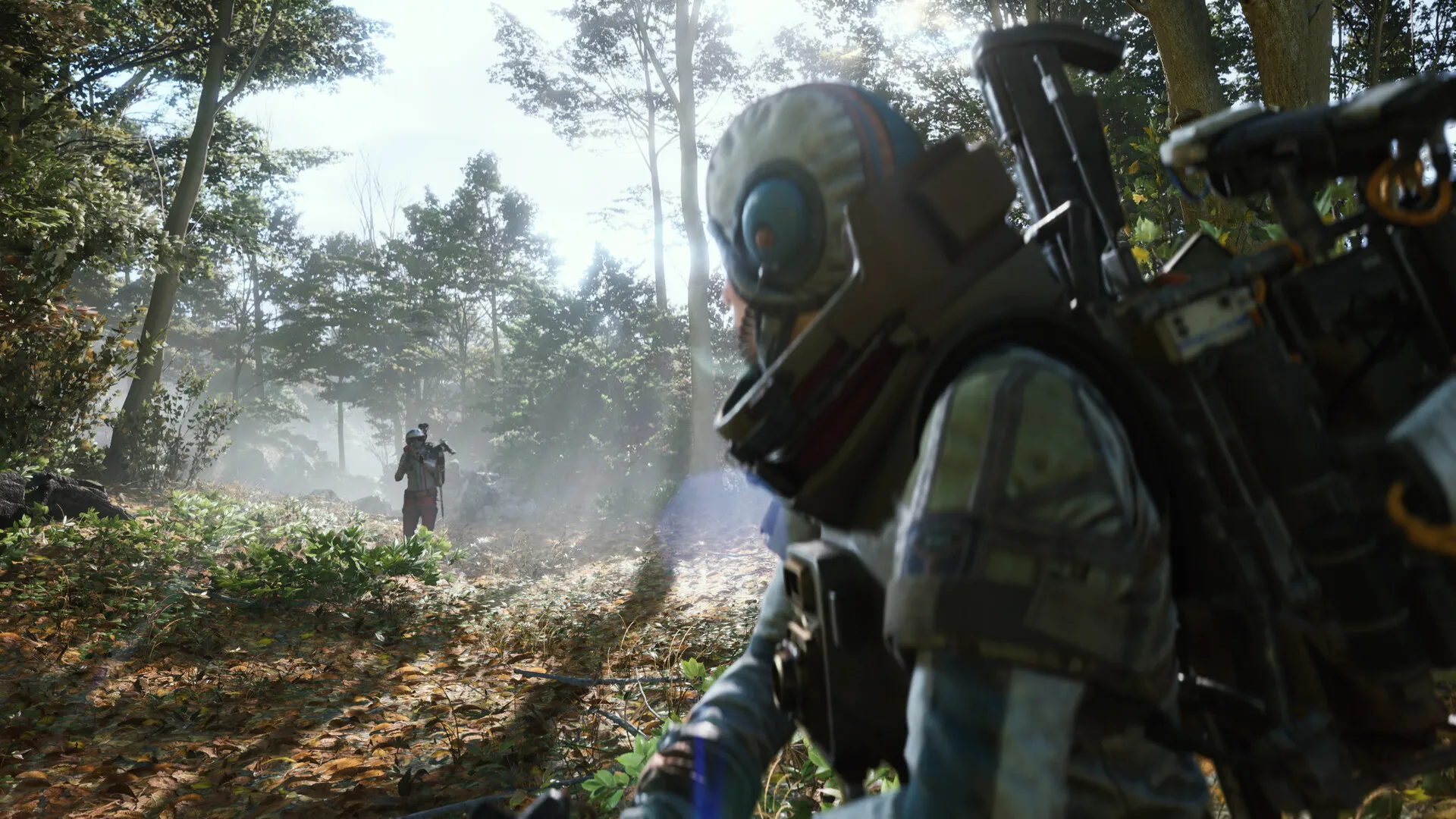
Comparisons with Other Games
ARC Raiders’ progression struggles become clearer when compared to other cooperative shooters. Games like Warframe and Destiny 2, while grind-heavy, balance progression with meaningful rewards and narrative integration.
ARC Raiders lacks this balance. Its grind feels punitive rather than rewarding, and its narrative integration pales in comparison to competitors. This comparison highlights the need for systemic redesign.
Potential Solutions and Redesigns
To address progression issues, ARC Raiders could adopt several strategies:
Suggestions
- Reduce resource requirements for upgrades
- Introduce narrative-driven progression milestones
- Balance weapon unlocks to match player effort
- Offer cosmetics through organic gameplay rather than microtransactions
These changes would align progression with player enjoyment, reducing frustration and enhancing long-term engagement.
The Future of ARC Raiders’ Progression
Progression systems are the backbone of player retention. For ARC Raiders, the current system risks alienating its audience. Without meaningful reform, the game may struggle to sustain its player base.
Embark Studios faces a critical choice: continue patching minor issues or overhaul progression entirely. The future of ARC Raiders depends on whether progression evolves into a rewarding journey rather than a repetitive grind.
Conclusion
ARC Raiders offers a visually stunning and mechanically engaging experience, but its progression system undermines its potential. By overemphasizing grind, underdelivering on rewards, and failing to integrate narrative, the game risks losing its audience. A thoughtful redesign could transform progression from a burden into a motivator, ensuring ARC Raiders thrives in the competitive landscape of cooperative shooters.